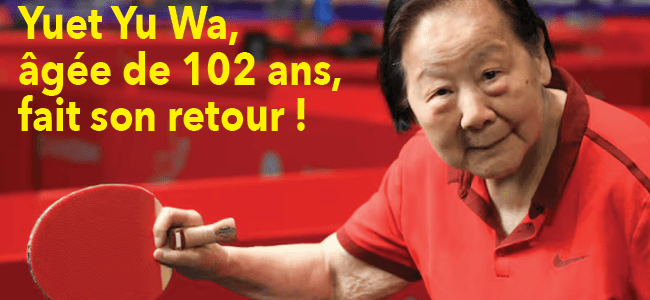
Le tennis de table est l'un des rares sports oĂą la technique, le plaisir, le lien social et une longĂ©vitĂ© exceptionnelle peuvent se rencontrer. RapportĂ©e par Bae Jun-yong, le Chosun Daily partage l'histoire inspirante de Yuet Yu Wa, une joueuse amateur d'origine chinoise vivant aux États-Unis, nĂ©e en 1924. Un retour au jeu après 85 … Continue reading 🏓 Le tennis de table comme sport d’une vie : Ă€ 102 ans, elle est toujours Ă la table
🏓 Table Tennis as a Lifelong Sport: 102 Years Old and Still at the Table
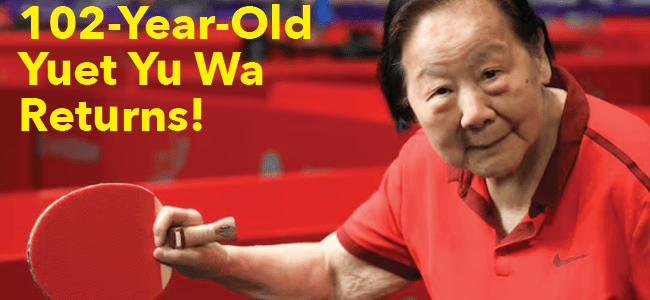
Table tennis is one of the rare sports where technique, joy, social connection, and extreme longevity can truly meet. Written by Bae Jun-yong, the Chosun Daily recently shared the remarkable comeback story of Yuet Yu Wa, a Chinese amateur player living in the United States who was born in 1924. An 85-Year Break from the … Continue reading 🏓 Table Tennis as a Lifelong Sport: 102 Years Old and Still at the Table
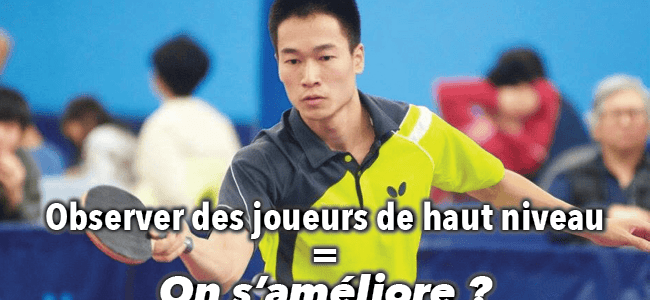
🏓 Regarder ne suffit pas : il faut savoir quoi observer
Regarder les meilleurs joueurs du monde peut-il vraiment amĂ©liorer votre jeu ? Selon l'entraĂ®neur Bob Chen, les matchs de haut niveau peuvent devenir un excellent outil d'apprentissage, mais seulement si vous analysez les dĂ©cisions tactiques plutĂ´t que de copier la forme extĂ©rieure des gestes. Le piège de l'imitation aveugle Le piège le plus frĂ©quent pour … Continue reading 🏓 Regarder ne suffit pas : il faut savoir quoi observer
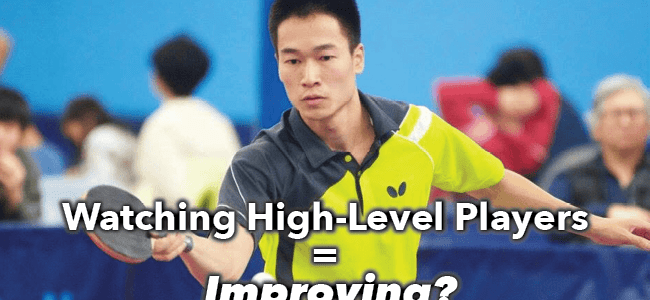
🏓 Watching is Not Enough: You Need to Know What to Watch
Can watching the best players in the world really improve your game? According to Coach Bob Chen, high-level matches can become an excellent learning tool, but only if you analyze the decisions being made instead of just copying the outside shape of the strokes. The Danger of Blind Imitation The most common trap for amateur … Continue reading 🏓 Watching is Not Enough: You Need to Know What to Watch
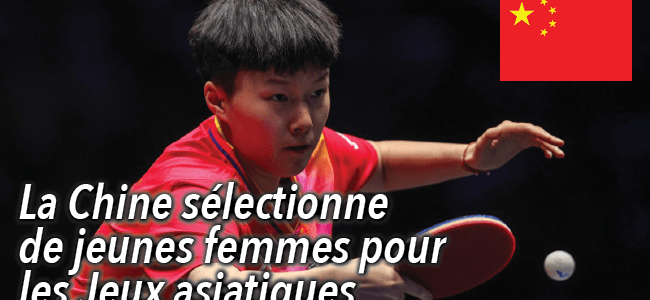
🏓 La Chine prĂ©pare l’avenir : Une jeune sĂ©lection chez les femmes pour les Jeux Asiatiques
La sĂ©lection fĂ©minine de la Chine pour les Jeux Asiatiques d'Aichi-Nagoya 2026 met en lumière la rigueur de sa planification Ă long terme. PlutĂ´t que de simplement aligner ses vĂ©tĂ©ranes les mieux classĂ©es, l'encadrement technique utilise ce grand rendez-vous pour accĂ©lĂ©rer la transition gĂ©nĂ©rationnelle et roder le collectif qui devra dominer les Jeux Olympiques de … Continue reading 🏓 La Chine prĂ©pare l’avenir : Une jeune sĂ©lection chez les femmes pour les Jeux Asiatiques
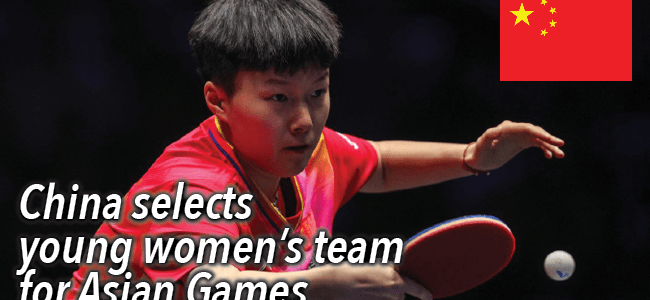
🏓 China Looks to the Future: Selecting a Younger Women’s Squad for the Asian Games
China’s women’s selection for the Aichi-Nagoya 2026 Asian Games highlights the nation's meticulous long-term planning. Instead of simply picking the highest-ranked veterans of the moment, the coaching staff is actively using this major tournament to accelerate a transition toward the next generation, preparing the squad that is expected to dominate through the Los Angeles 2028 … Continue reading 🏓 China Looks to the Future: Selecting a Younger Women’s Squad for the Asian Games
Le pickleball est-il réellement bon pour la santé ? Ce que révèlent les données
Le pickleball est reconnu pour son accessibilitĂ© et son cĂ´tĂ© convivial, mais une vaste Ă©tude mĂ©dicale confirme qu'il s'agit Ă©galement d'un excellent outil pour la santĂ© physique et mentale. MenĂ©e par Apple en collaboration avec la Harvard Medical School et le Brigham & Women’s Hospital auprès de plus de 250 000 participants (sur un total … Continue reading Le pickleball est-il rĂ©ellement bon pour la santĂ© ? Ce que rĂ©vèlent les donnĂ©es
Is Pickleball Actually Good for Your Health? What the Data Reveals
Pickleball is widely celebrated for its accessible and highly social nature, but a massive medical study confirms that it is also a powerful tool for long-term physical and mental health. Conducted by Apple in collaboration with Harvard Medical School and Brigham & Women’s Hospital, the study analyzed more than 250,000 participants and 186 million logged … Continue reading Is Pickleball Actually Good for Your Health? What the Data Reveals
Moins de temps, plus d’intention : Un plan intelligent pour progresser avec seulement 3 heures par semaine
Pour les joueurs passionnĂ©s aux horaires chargĂ©s, le principal obstacle Ă la progression n'est pas le manque de temps, mais le manque de structure. Passer des heures Ă enchaĂ®ner des parties rĂ©crĂ©atives libres conduit souvent Ă rĂ©pĂ©ter les mĂŞmes habitudes confortables sans corriger ses lacunes. Une routine hebdomadaire de trois heures bien organisĂ©e peut s'avĂ©rer … Continue reading Moins de temps, plus d’intention : Un plan intelligent pour progresser avec seulement 3 heures par semaine
Less Time, More Intention: A Smart Plan to Improve with Only 3 Hours a Week
For passionate players with busy schedules, the main obstacle to improvement isn’t a lack of time; it’s a lack of structure. Spending hours in unstructured open play often results in repeating the same comfortable habits without fixing critical errors. A well-organized three-hour weekly routine can move your game forward much faster than hours of random … Continue reading Less Time, More Intention: A Smart Plan to Improve with Only 3 Hours a Week